The Future of Teen Licensing: Safety Tech, Telematics, and What's Next
Graduated licensing reshaped teen safety in the '90s. The next wave — driver-assist tech, telematics, and data-informed coaching — is already arriving.
By Drive Smart Academy Team
Graduated licensing was the big teen-safety story of the 1990s and 2000s. The forces likely to shape the next two decades look different: they’re less about new restrictions written into law and more about technology in the car and data in the family’s hands. Here’s a grounded look at what’s emerging — and what’s still uncertain.
Driver-assistance technology is becoming standard
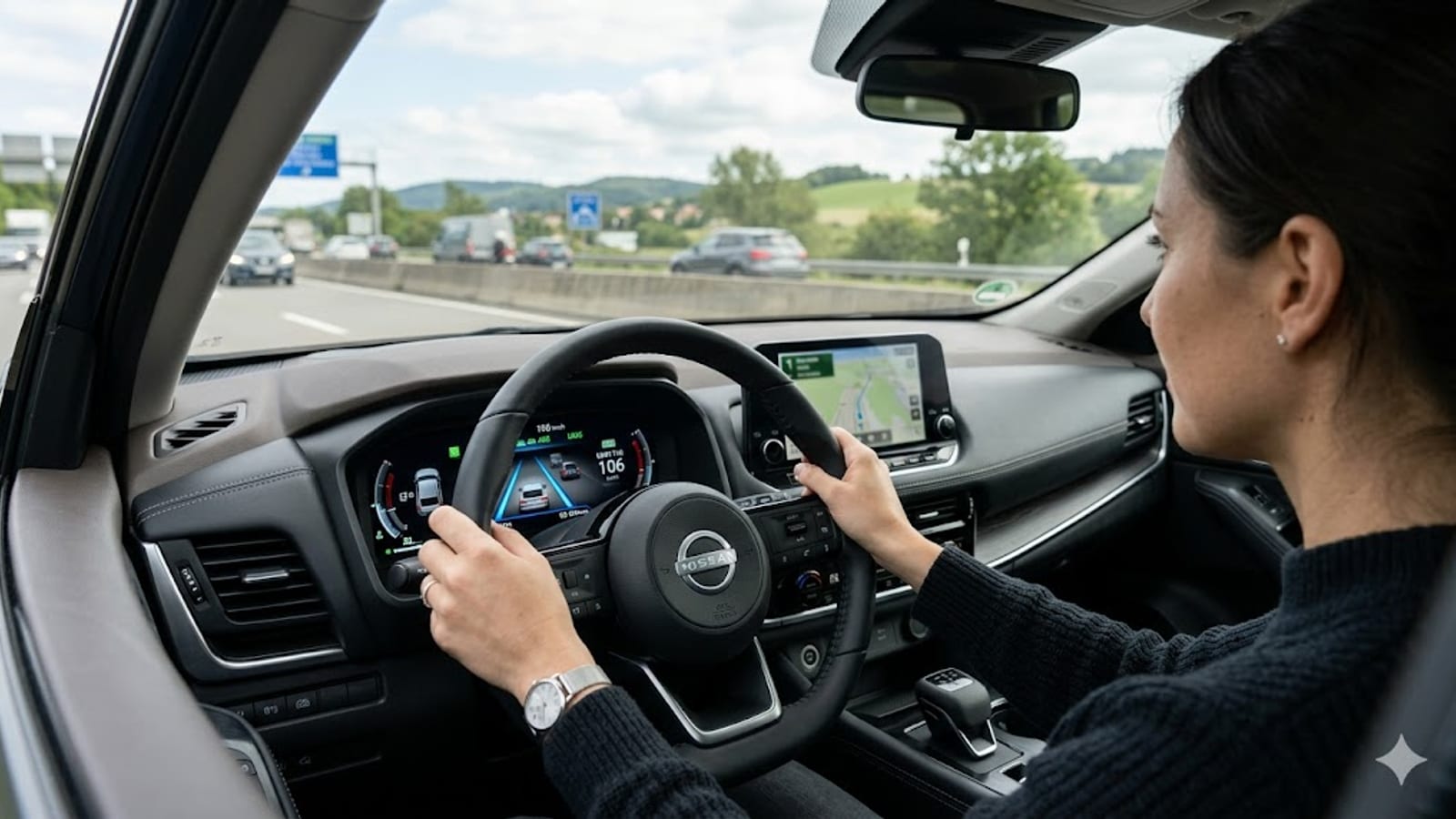
Modern vehicles increasingly ship with advanced driver-assistance systems (ADAS): automatic emergency braking, forward-collision warning, lane-keeping assistance, and blind-spot monitoring. U.S. regulators have moved to make automatic emergency braking standard on new vehicles in the coming years, and safety organizations broadly credit these systems with preventing or softening certain crash types.
For new drivers, this is a genuine safety net — but a nuanced one. The same systems can encourage over-reliance if a teen assumes the car will catch every mistake. The healthiest framing: assistance features are a backup for a well-trained driver, not a substitute for one.
Telematics and “teen driver” features
Many vehicles and insurers now offer telematics — sensors and apps that record speed, hard braking, phone use, and curfew adherence. Some automakers build “teen driver” modes that cap top speed, mute the stereo until seatbelts are buckled, or send parents a report card.
Used well, these tools turn vague worry into specific, coachable feedback (“you had three hard-braking events on the highway this week — let’s talk about following distance”). Used poorly, they can feel like surveillance and erode trust. The evidence suggests they work best as a shared coaching tool, agreed to in advance, that fades as the teen earns independence — not as a secret monitor.
Data-informed practice and learning
The learning side is changing too. Scenario-based practice, hazard-perception training, and adaptive study tools can target a specific driver’s weak spots far more precisely than a one-size-fits-all curriculum. The promise isn’t replacing real road hours — nothing replaces those — but making the supporting instruction sharper and more personal.
What’s still uncertain
A few honest caveats:
- Technology can’t fix judgment. Impulse control, peer influence, and experience still matter, and no sensor changes adolescent development.
- Access is uneven. The newest safety tech tends to arrive first in newer, pricier vehicles — and many teens learn on older cars.
- Policy lags innovation. How telematics data is used, stored, and protected is an open question that regulation is still catching up to.
The throughline
The tools are new, but the principle isn’t: give new drivers structure, feedback, and graduated exposure while their skill and judgment mature. Whether that structure comes from a state curfew or a coaching app, the goal is the same one GDL set thirty years ago — fewer young drivers learning the hard way.
Vehicle features, insurance programs, and laws differ by manufacturer and state. Verify specifics before relying on them.
Sources & further reading
Was this helpful?
Thanks — your feedback helps us improve.
Learn to drive the smarter way.
Real-road scenarios, a permit prep that actually sticks, and a parent dashboard that keeps everyone on the same page.
Get early accessKeep reading
What Is Graduated Driver Licensing (GDL)? A Plain-English Guide
Every U.S. state phases teens into full driving privileges in stages. Here's what the three GDL stages mean, why they exist, and how to think about them.
State LawsOhio's Teen Licensing Requirements, Explained
From the temporary permit to a full license, here's how Ohio walks teen drivers through graduated licensing — the permits, the hours, and the restrictions.
State LawsSame Idea, 50 Versions: How GDL Laws Vary by State
Every state uses graduated licensing, but the details differ a lot. Here's where the variation lives — and why it matters if your family moves or travels.