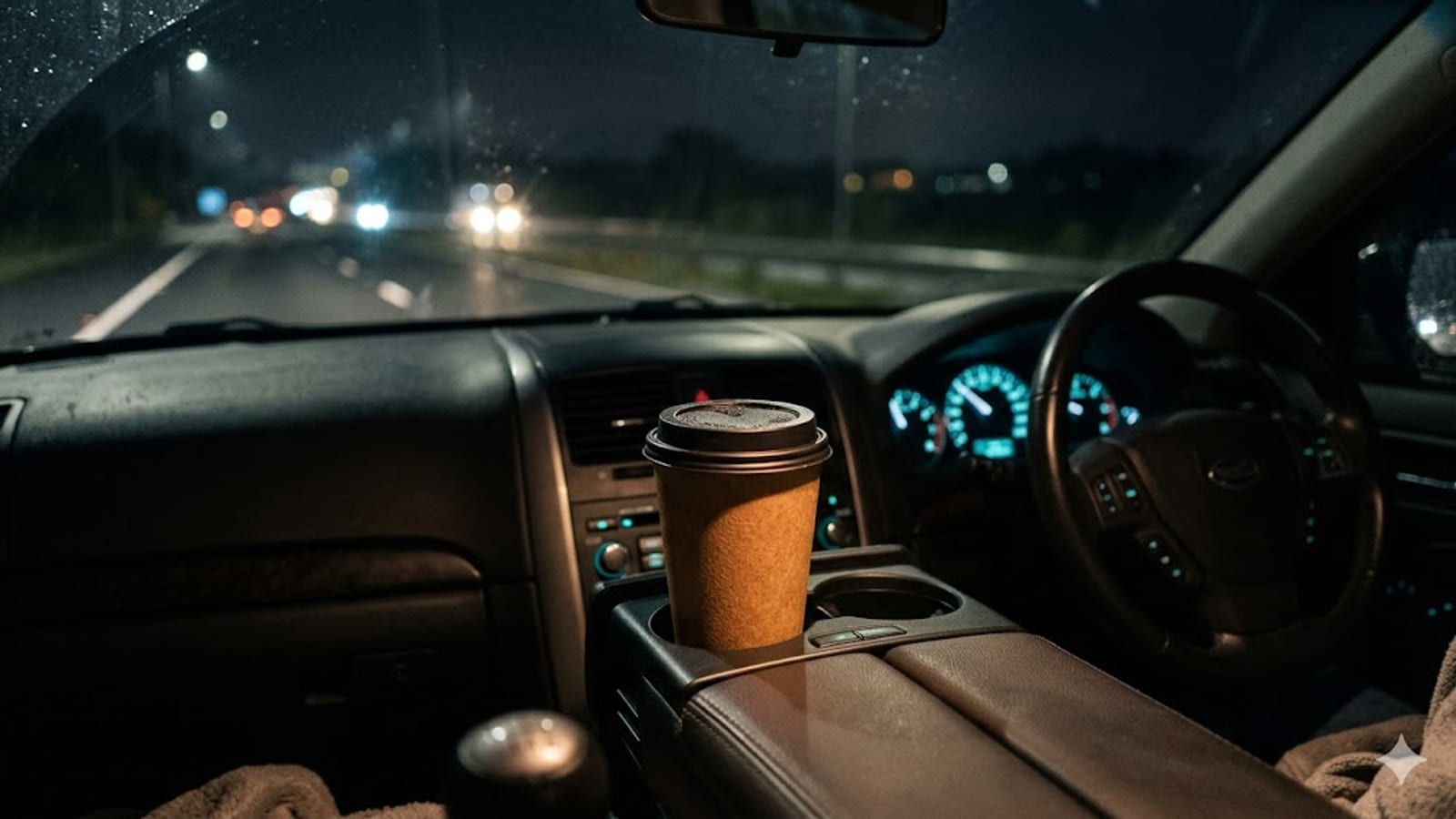
The Underrated Risk: Drowsy Driving and the Teen Sleep Crunch
Teens are chronically short on sleep, and fatigue impairs driving in ways that look a lot like alcohol. It's one of the least-discussed risks for young drivers.
By Drive Smart Academy Team
Drowsy driving gets a fraction of the attention that distraction or impairment does, but the AAA Foundation for Traffic Safety has estimated it plays a role in a meaningful share of crashes — and teens are especially exposed. The combination of demanding schedules, early school start times, and biological shifts in adolescent sleep creates a near-perfect setup for fatigue behind the wheel.
Why teens are uniquely vulnerable
- They need more sleep than they get. Adolescents generally need 8–10 hours a night, and surveys consistently find most fall well short on school nights.
- Their internal clock shifts later. Puberty pushes the natural sleep window later in the evening, so “just go to bed earlier” fights biology.
- Early start times collide with both. A teen wired to fall asleep late but required to wake early accumulates a sleep debt across the week.
By Friday, that debt is real — and it often coincides with more evening driving.
Fatigue impairs driving like alcohol
This comparison sounds dramatic, but it’s well supported by research: going long enough without adequate sleep produces reaction-time and judgment impairments comparable to meaningful blood-alcohol levels. Drowsiness slows reactions, narrows attention, and — most dangerously — can cause microsleeps, brief lapses of a few seconds in which a driver is effectively asleep with their eyes open.
At highway speed, a few seconds is a long way to travel unconscious.
Warning signs and what to do
Teach new drivers to recognize the signals and respond, rather than push through:
- Repeated yawning or heavy eyelids
- Drifting within the lane or missing a turn
- Not remembering the last few miles
- Restlessness, or trouble keeping the head up
The only real fix is sleep. Caffeine and an open window are short-term masks, not solutions. The right move is to stop and rest — pull over somewhere safe for a short nap, or call for a ride.
The family habit that helps most
Protecting sleep is a safety measure, not a luxury. Consistent bedtimes, screens out of the bedroom, and an honest rule — if you’re too tired to drive, call me, no questions asked — do more to prevent drowsy-driving crashes than any in-car gadget.
Sources & further reading
Was this helpful?
Thanks — your feedback helps us improve.
Learn to drive the smarter way.
Real-road scenarios, a permit prep that actually sticks, and a parent dashboard that keeps everyone on the same page.
Get early accessKeep reading
The "100 Deadliest Days": Why Summer Is the Riskiest Season for Teen Drivers
Between Memorial Day and Labor Day, teen-involved crashes climb sharply. Here's why summer is so dangerous for new drivers — and what families can do about it.
Safety & TrendsDistracted Driving and the Smartphone Generation: What the Data Says
Phones are the most visible driving distraction, but they aren't the only one. Here's how distraction causes crashes and what genuinely reduces it for new drivers.
Safety & TrendsWhy the First Year of Solo Driving Is the Most Dangerous
Crash risk for new drivers is highest in the first months after licensure, then falls fast. Understanding why points to exactly where families should focus.